Tampilkan postingan dengan label Hydrangea. Tampilkan semua postingan

Jumat, 03 Maret 2017

Blue Hydrangea Oil Painting, Hydrangea Oil Impasto Floral Painting

Blue Hydrangea Oil Painting, Hydrangea Oil Impasto Floral Painting

Hydrangea (/ha?'dre?nd?i?/;common titles hydrangea or hortensia) is a genus of 70-75 kinds of flowering plants local to southern and eastern Asia (China, Japan, Korea, the Himalayas, and Indonesia) and the Americas. Probably the greatest species diversity is in eastern Asia, notably China, Japan, and Korea. The majority are shrubs 1 to 3 meters tall, but some are small trees, as well as others lianas attaining up to 30 m (98 foot) by climbing up trees and shrubs. They can be either evergreen or deciduous, although broadly cultivated temperate species are all deciduous.Having been introduced to the Azores, H. macrophylla is very common now, on Faial particularly, which is known as the "blue island" because of the multitude of hydrangeas present on the island.Life cycleHydrangea plants are created from early spring to late fall months; they increase in flowerheads (corymbs or panicles) most often at the ends of the stems.

Blue Hydrangea Oil Painting, Hydrangea Oil Impasto Floral Painting

Typically the flowerheads contain two types of flowers: small non-showy blossoms in the guts or interior of the flowerhead, and large, showy bouquets with large multi-colored sepals (tepals). These showy flowers are often long in a wedding ring, or to the exterior of the tiny flowers. Plant life in outdoors populations have few to nothing of the showy plants typically, while cultivated hydrangeas have been preferred and bred to have significantly more of the bigger type blooms.There are two flower arrangements in hydrangeas with Corymb style inflorescens, which includes the commonly grown "bigleaf hydrangea"--Hydrangea macrophylla. Mophead blooms are large spherical flowerheads resembling pom-poms or, as the name implies, the relative brain of any mop. In contrast, lacecap flowers bear round, flat flowerheads with a center core of subdued, small bouquets bounded by outer bands of larger flowers having showy tepals or sepals.

The bouquets of some viburnums and rhododendrons can appear, initially, just like those of some hydrangeas.Colors and soil acidityIn most species the blooms are white, but in some species (notably H. macrophylla), can be blue, red, green, light crimson, or dark crimson. In these types the color is influenced by the presence of light weight aluminum ions which can be found or tangled up depending upon the land pH. For H. h and macrophylla. serrata cultivars, the flower color can be dependant on the relative acidity of the soil: an acidic soil (pH below 7), will have available aluminum ions and produce flowers that are blue to purple typically, whereas an alkaline soil (pH above 7) will tie up aluminum ions and bring about pink or red flowers.

This is caused by a color change of the bloom pigments in the existence of aluminium ions which is often taken up into hyperaccumulating vegetation.[6] Cutting down the pH of potting soils or mixes usually will not change the flower color to blue, because these soils haven't any aluminum ions. The capability to blue or green a hydrangea is influenced by the cultivar also. Some plants are selected for his or her ability to be blued, while some are bred and selected to be red, white or pink. The flower color of most other Hydrangea species is not affected by aluminum and cannot be changed or shifted. Hydrangeas also have a nickname called 'Change Rose'.

Hydrangea Solo 8X8 Floral Still Life Oil Painting, original painting

Hydrangea Solo 8X8 Floral Still Life Oil Painting, original painting

Pieces of Eight: Azores Hydrangeas, Oil Painting of Terceira Island

Pieces of Eight: Azores Hydrangeas, Oil Painting of Terceira Island

Nel39;s Everyday Painting: Hal39;s Hydrangeas SOLD

Nel39;s Everyday Painting: Hal39;s Hydrangeas  SOLD

Hydrangea Winter flower Original Oil painting on canvas by HOomen

Hydrangea Winter flower Original Oil painting on canvas by HOomen

Kamis, 02 Maret 2017

Hydrangea anomala 39;Petiolaris39;

Hydrangea anomala 39;Petiolaris39;

Hydrangea (/ha?'dre?nd?i?/;common titles hydrangea or hortensia) is a genus of 70-75 types of flowering plants native to southern and eastern Asia (China, Japan, Korea, the Himalayas, and Indonesia) and the Americas. Definitely the greatest varieties diversity is within eastern Asia, china notably, Japan, and Korea. Most are shrubs 1 to 3 meters tall, but some are small trees and shrubs, and more lianas reaching up to 30 m (98 feet) by climbing up trees. They could be either evergreen or deciduous, although cultivated temperate kinds are all deciduous extensively.Having been introduced to the Azores, H. macrophylla is quite typical now, particularly on Faial, which is recognized as the "blue island" because of the multitude of hydrangeas present on the island.Life cycleHydrangea blooms are created from planting season to late autumn; they increase in flowerheads (corymbs or panicles) most often at the ends of the stems.

Hydrangea anomala 39;Petiolaris39;

Typically the flowerheads contain two types of blossoms: small non-showy bouquets in the center or interior of the flowerhead, and large, showy flowers with large colourful sepals (tepals). These showy flowers are prolonged in a diamond ring often, or to the surface of the small flowers. Crops in outdoors populations routinely have few to none of them of the showy blossoms, while cultivated hydrangeas have been determined and bred to have more of the larger type bouquets.There are two flower arrangements in hydrangeas with Corymb style inflorescens, which include the commonly grown "bigleaf hydrangea"--Hydrangea macrophylla. Mophead plants are large rounded flowerheads resembling pom-poms or, as the name indicates, the relative brain of any mop. On the other hand, lacecap flowers bear round, flat flowerheads with a center core of subdued, small flowers surrounded by outer rings of larger flowers having showy sepals or tepals.

The plants of some rhododendrons and viburnums can seem, initially, similar to those of some hydrangeas.Colors and earth acidityIn most kinds the blossoms are white, but in some kinds (notably H. macrophylla), can be blue, red, pink, light purple, or dark crimson. In these species the color is afflicted by the existence of aluminum ions which can be found or tangled up depending after the soil pH. For H. h and macrophylla. serrata cultivars, the flower color can be determined by the relative acidity of the soil: an acidic soil (pH below 7), will supply aluminum ions and produce flowers that are blue to purple typically, whereas an alkaline soil (pH above 7) will tie up aluminum ions and result in pink or red flowers.

This is caused by a color change of the bloom pigments in the occurrence of aluminium ions which can be taken up into hyperaccumulating plant life.[6] Decreasing the pH of potting soils or mixes usually will not change the blossom color to blue, because these soils haven't any aluminum ions. The ability to blue or green a hydrangea is also influenced by the cultivar. Some plants are selected for their ability to be blued, while some are bred and selected to be red, white or pink. The flower color of all other Hydrangea species is not influenced by aluminum and can't be changed or shifted. Hydrangeas also have a nickname called 'Change Rose'.

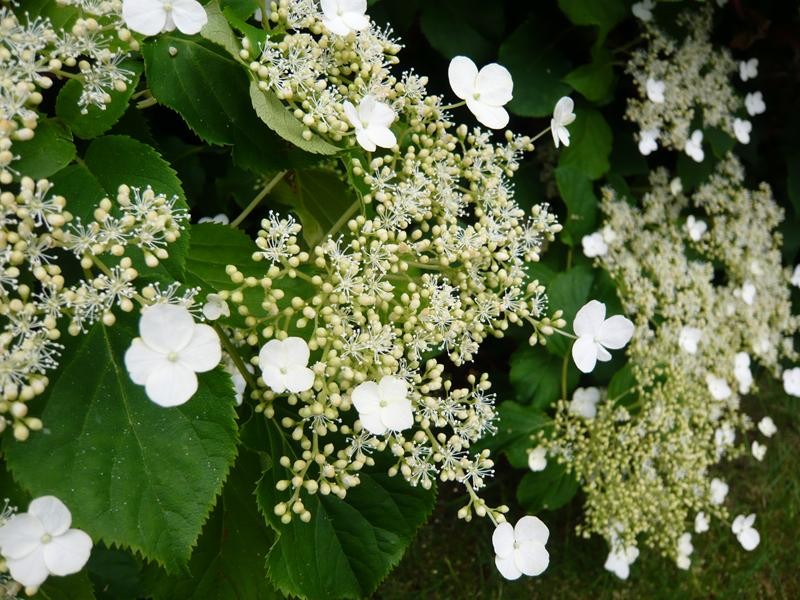
Climbing Hydrangea • Hydrangea petiolaris • Hydrangea anomala

Climbing Hydrangea • Hydrangea petiolaris • Hydrangea anomala

hydrangea petiolaris climbing climbing hydragea hydrangeas hydrangea

hydrangea petiolaris climbing climbing hydragea hydrangeas hydrangea

Climbing Hydrangea anomala spp. petiolaris at Wayside Gardens

Climbing Hydrangea anomala spp. petiolaris  at Wayside Gardens

Hydrangea petiolaris Wall Trained 18/07/2015, Kew Gardens, London

Hydrangea petiolaris Wall Trained 18/07/2015, Kew Gardens, London

Minggu, 26 Februari 2017

Pruning Hydrangea Prune your Hydrangea right

Pruning Hydrangea  Prune your Hydrangea right

Hydrangea (/ha?'dre?nd?i?/;common brands hydrangea or hortensia) is a genus of 70-75 types of flowering crops local to southern and eastern Asia (China, Japan, Korea, the Himalayas, and Indonesia) and the Americas. By far the greatest types diversity is in eastern Asia, china notably, Japan, and Korea. The majority are shrubs 1 to 3 meters tall, however, many are small trees, and others lianas reaching up to 30 m (98 feet) by climbing up trees and shrubs. They could be either evergreen or deciduous, though the greatly cultivated temperate types are all deciduous.Having been introduced to the Azores, H. macrophylla is quite typical now, particularly on Faial, which is known as the "blue island" due to the vast number of hydrangeas present on the island.Life cycleHydrangea blooms are produced from early spring to late fall months; they expand in flowerheads (corymbs or panicles) frequently at the ends of the stems.

Pruning Hydrangea  Prune your Hydrangea right

Usually the flowerheads contain two types of flowers: small non-showy blossoms in the center or interior of the flowerhead, and large, showy plants with large multi-colored sepals (tepals). These showy flowers are often prolonged in a ring, or to the exterior of the small flowers. Plant life in wild populations have few to nothing of the showy plants typically, while cultivated hydrangeas have been bred and picked to have more of the bigger type blossoms.There are two flower arrangements in hydrangeas with Corymb style inflorescens, which includes the commonly grown "bigleaf hydrangea"--Hydrangea macrophylla. Mophead blooms are large rounded flowerheads resembling pom-poms or, as the name indicates, the mind of an mop. In contrast, lacecap flowers bear round, flat flowerheads with a center core of subdued, small flowers surrounded by outer rings of larger flowers having showy sepals or tepals.

The flowers of some rhododendrons and viburnums can show up, initially, just like those of some hydrangeas.Colors and ground acidityIn most types the blooms are white, however in some types (notably H. macrophylla), can be blue, red, pink, light crimson, or dark purple. In these types the colour is afflicted by the presence of lightweight aluminum ions which are available or tied up depending upon the land pH. For H. macrophylla and H. serrata cultivars, the flower color can be dependant on the relative acidity of the soil: an acidic soil (pH below 7), will have available aluminum ions and produce flowers that are blue to purple typically, whereas an alkaline soil (pH above 7) will tie up aluminum ions and result in pink or red flowers.

This is caused by a color change of the flower pigments in the occurrence of aluminium ions which is often taken up into hyperaccumulating vegetation.[6] Minimizing the pH of potting soils or mixes usually will not change the bloom color to blue, because these soils haven't any aluminum ions. The capability to blue or green a hydrangea is influenced by the cultivar also. Some plants are selected for their ability to be blued, while some are bred and selected to be red, white or pink. The flower color of most other Hydrangea species is not afflicted by aluminum and can't be changed or shifted. Hydrangeas also have a nickname called 'Change Rose'.

Pruning Hydrangeas

Pruning Hydrangeas

Hydrangea Pruning Gardening Pinterest

Hydrangea Pruning  Gardening  Pinterest

Pruning Hydrangea Bushes Spring

Pruning Hydrangea Bushes Spring

Related to How To Prune Hydrangea Paniculata Trees Youtube

Related to How To Prune Hydrangea Paniculata Trees Youtube

Jumat, 24 Februari 2017

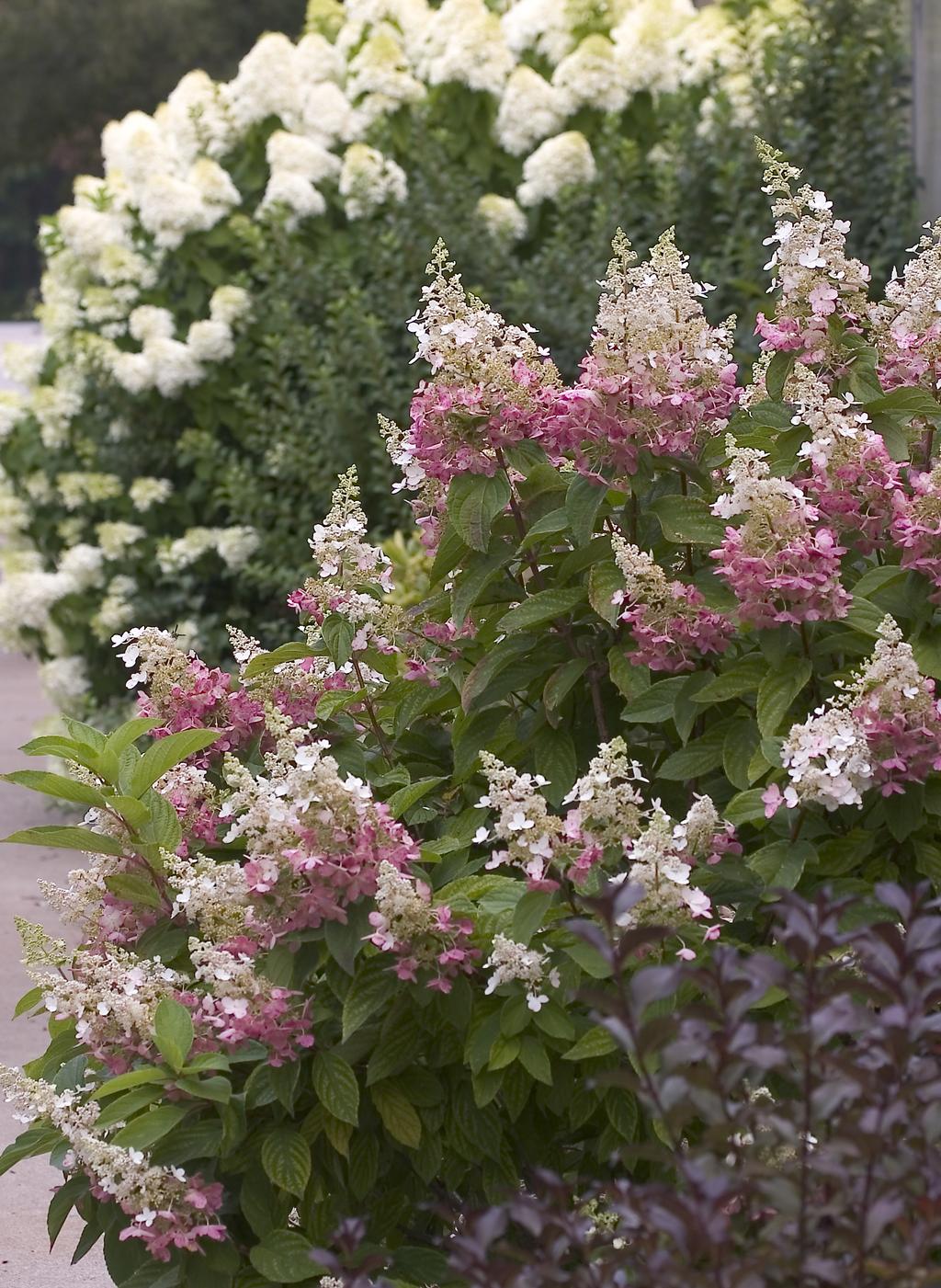
Hydrangea paniculata 39;Pinky Winky39; Favorite Plants for the Garden

Hydrangea paniculata 39;Pinky Winky39;  Favorite Plants for the Garden

Hydrangea (/ha?'dre?nd?i?/;common titles hydrangea or hortensia) is a genus of 70-75 varieties of flowering plant life local to southern and eastern Asia (China, Japan, Korea, the Himalayas, and Indonesia) and the Americas. Definitely the greatest species diversity is in eastern Asia, notably China, Japan, and Korea. Most are shrubs 1 to 3 meters extra tall, however, many are small trees, and others lianas getting up to 30 m (98 ft) by climbing up trees. They could be either deciduous or evergreen, although extensively cultivated temperate kinds are deciduous.Having been introduced to the Azores, H. macrophylla is quite typical now, particularly on Faial, which is known as the "blue island" because of the vast number of hydrangeas present on the island.Life cycleHydrangea plants are created from early spring to late autumn; they expand in flowerheads (corymbs or panicles) frequently at the ends of the stems.

Hydrangea paniculata 39;Pinky Winky39;  Favorite Plants for the Garden

Typically the flowerheads contain two types of bouquets: small non-showy flowers in the guts or interior of the flowerhead, and large, showy blossoms with large brilliant sepals (tepals). These showy plants are often extended in a ring, or to the surface of the tiny flowers. Crops in crazy populations have few to none of the showy flowers typically, while cultivated hydrangeas have been bred and chosen to have more of the bigger type blossoms.There are two flower arrangements in hydrangeas with Corymb style inflorescens, which includes the commonly grown "bigleaf hydrangea"--Hydrangea macrophylla. Mophead bouquets are large circular flowerheads resembling pom-poms or, as the name indicates, the relative head of an mop. On the other hand, lacecap flowers bear round, flat flowerheads with a center core of subdued, small flowers surrounded by outer rings of larger flowers having showy sepals or tepals.

The bouquets of some rhododendrons and viburnums can look, at first glance, much like those of some hydrangeas.Dirt and colors acidityIn most types the plants are white, however in some varieties (notably H. macrophylla), can be blue, red, pink, light crimson, or dark purple. In these species the colour is influenced by the occurrence of metal ions which are available or tied up depending upon the earth pH. For H. macrophylla and H. serrata cultivars, the flower color can be dependant on the relative acidity of the soil: an acidic soil (pH below 7), will have available aluminum ions and typically produce flowers that are blue to purple, whereas an alkaline soil (pH above 7) will tie up aluminum ions and lead to pink or red flowers.

This is caused by a color change of the blossom pigments in the existence of aluminium ions which is often adopted into hyperaccumulating plants.[6] Minimizing the pH of potting soils or mixes usually will not change the flower color to blue, because these soils haven't any aluminum ions. The capability to blue or pink a hydrangea is also affected by the cultivar. Some plants are selected for their ability to be blued, while some are bred and selected to be red, pink or white. The flower color of most other Hydrangea species is not damaged by aluminum and cannot be changed or shifted. Hydrangeas likewise have a nickname called 'Change Rose'.

Hydrangea Paniculata Pinky Winky Pictures to pin on Pinterest

Hydrangea Paniculata Pinky Winky Pictures to pin on Pinterest

Trees amp; Shrubs Hydrangea Hydrangea paniculata 39;Pinky Winky

  Trees amp; Shrubs  Hydrangea  Hydrangea paniculata 39;Pinky Winky

Hydrangea Paniculata Pinky Winky Pictures to pin on Pinterest

Hydrangea Paniculata Pinky Winky Pictures to pin on Pinterest

Annuals Broadleaf Evergreen Evergreens Hardy Roses Fruit Ornamental

Annuals Broadleaf Evergreen Evergreens Hardy Roses Fruit Ornamental

Hydrangea Painting Original Oil Painting Palette Knife Painting ART B

Hydrangea Painting Original Oil Painting Palette Knife Painting ART B

Hydrangea (/ha?'dre?nd?i?/;common brands hydrangea or hortensia) is a genus of 70-75 types of flowering vegetation native to southern and eastern Asia (China, Japan, Korea, the Himalayas, and Indonesia) and the Americas. Probably the greatest types diversity is at eastern Asia, notably China, Japan, and Korea. Most are shrubs 1 to 3 meters large, however, many are small trees, yet others lianas getting up to 30 m (98 feet) by climbing up trees. They can be either evergreen or deciduous, although extensively cultivated temperate varieties are all deciduous.Having been introduced to the Azores, H. macrophylla is currently very common, particularly on Faial, which is recognized as the "blue island" because of the vast number of hydrangeas present on the island.Life cycleHydrangea blossoms are produced from planting season to late fall months; they expand in flowerheads (corymbs or panicles) frequently at the ends of the stems.

Hydrangea Painting Original Oil Painting Palette Knife Painting ART B

Usually the flowerheads contain two types of blossoms: small non-showy blooms in the guts or interior of the flowerhead, and large, showy bouquets with large multi-colored sepals (tepals). These showy blooms are often expanded in a band, or to the exterior of the tiny flowers. Plant life in outdoors populations have few to none of them of the showy blooms typically, while cultivated hydrangeas have been bred and preferred to have significantly more of the larger type blossoms.There are two flower arrangements in hydrangeas with Corymb style inflorescens, which include the commonly grown "bigleaf hydrangea"--Hydrangea macrophylla. Mophead bouquets are large spherical flowerheads resembling pom-poms or, as the name suggests, the comparative mind of the mop. In contrast, lacecap flowers bear round, flat flowerheads with a center core of subdued, small blooms surrounded by outer bands of much larger blossoms having showy tepals or sepals.

The flowers of some viburnums and rhododendrons can look, at first glance, a lot like those of some hydrangeas.Garden soil and colors acidityIn most varieties the blossoms are white, however in some species (notably H. macrophylla), can be blue, red, red, light crimson, or dark crimson. In these varieties the color is damaged by the existence of light weight aluminum ions which are available or tangled up depending upon the dirt pH. For H. h and macrophylla. serrata cultivars, the flower color can be determined by the relative acidity of the soil: an acidic soil (pH below 7), will supply aluminum ions and produce flowers that are blue to purple typically, whereas an alkaline soil (pH above 7) will tie up aluminum ions and cause pink or red flowers.

This is the effect of a color change of the flower pigments in the occurrence of aluminium ions which may be taken up into hyperaccumulating crops.[6] Minimizing the pH of potting soils or mixes usually does not change the bloom color to blue, because these soils have no aluminum ions. The capability to blue or pink a hydrangea is influenced by the cultivar also. Some plants are selected for his or her ability to be blued, while some are bred and selected to be red, pink or white. The flower color of most other Hydrangea species is not damaged by aluminum and cannot be changed or shifted. Hydrangeas likewise have a nickname called 'Change Rose'.

Accessories For Sale Hydrangea Oil Painting ArtsyHome

Accessories For Sale  Hydrangea Oil Painting  ArtsyHome

Back to Christine Krainock Art gt; Paintings gt; Art Paintings

Back to Christine Krainock  Art gt; Paintings gt; Art Paintings

hydrangea painting on canvas Art FLORALpainting Hydrangea

hydrangea painting on canvas  Art FLORALpainting  Hydrangea

Simple hydrangea painting anyone can do with One Stroke Painting

Simple hydrangea painting anyone can do with One Stroke Painting

Kamis, 23 Februari 2017

Hydrangea Pinky Winky.

Hydrangea Pinky Winky.

Hydrangea (/ha?'dre?nd?i?/;common labels hydrangea or hortensia) is a genus of 70-75 types of flowering plant life local to southern and eastern Asia (China, Japan, Korea, the Himalayas, and Indonesia) and the Americas. By far the greatest types diversity is at eastern Asia, china notably, Japan, and Korea. The majority are shrubs 1 to 3 meters large, however, many are small trees and shrubs, among others lianas getting up to 30 m (98 foot) by climbing up trees and shrubs. They could be either evergreen or deciduous, although cultivated temperate species are all deciduous widely.Having been introduced to the Azores, H. macrophylla is currently very common, particularly on Faial, which is known as the "blue island" because of the multitude of hydrangeas present on the island.Life cycleHydrangea bouquets are produced from early spring to late fall months; they increase in flowerheads (corymbs or panicles) frequently at the ends of the stems.

Hydrangea Pinky Winky.

Typically the flowerheads contain two types of plants: small non-showy plants in the guts or interior of the flowerhead, and large, showy plants with large vibrant sepals (tepals). These showy bouquets are extended in a ring often, or to the surface of the tiny flowers. Plants in untamed populations routinely have few to none of them of the showy blooms, while cultivated hydrangeas have been preferred and bred to have significantly more of the larger type bouquets.There are two flower arrangements in hydrangeas with Corymb style inflorescens, which include the commonly grown "bigleaf hydrangea"--Hydrangea macrophylla. Mophead blooms are large circular flowerheads resembling pom-poms or, as the name suggests, the brain of any mop. On the other hand, lacecap flowers bear round, flat flowerheads with a center core of subdued, small flowers surrounded by outer rings of larger flowers having showy sepals or tepals.

The plants of some viburnums and rhododendrons can seem, at first glance, comparable to those of some hydrangeas.Colors and dirt acidityIn most species the plants are white, however in some varieties (notably H. macrophylla), can be blue, red, pink, light purple, or dark crimson. In these types the colour is afflicted by the presence of light weight aluminum ions which can be found or tangled up depending after the earth pH. For H. macrophylla and H. serrata cultivars, the flower color can be dependant on the relative acidity of the soil: an acidic soil (pH below 7), will have available aluminum ions and typically produce flowers that are blue to purple, whereas an alkaline soil (pH above 7) will tie up aluminum ions and bring about pink or red flowers.

This is caused by a color change of the flower pigments in the existence of aluminium ions which may be taken up into hyperaccumulating crops.[6] Cutting down the pH of potting soils or mixes usually does not change the blossom color to blue, because these soils haven't any aluminum ions. The ability to blue or pink a hydrangea is also influenced by the cultivar. Some plants are selected for his or her ability to be blued, while some are bred and selected to be red, white or pink. The flower color of all other Hydrangea species is not afflicted by aluminum and cannot be changed or shifted. Hydrangeas also have a nickname called 'Change Rose'.

hydrangea paniculata pinky winky dvppinky pee gee hydrangea pinky

hydrangea paniculata pinky winky dvppinky pee gee hydrangea pinky

Hydrangea Paniculata Pinky Winky Pictures to pin on Pinterest

Hydrangea Paniculata Pinky Winky Pictures to pin on Pinterest

Pinky Winky Hydrangea Related Keywords amp; Suggestions Pinky Winky

Pinky Winky Hydrangea Related Keywords amp; Suggestions  Pinky Winky

Buy hydrangea Hydrangea paniculata 39;Pinky Winky 39;Dvppinky39; PBR

Buy hydrangea Hydrangea paniculata 39;Pinky Winky 39;Dvppinky39; PBR

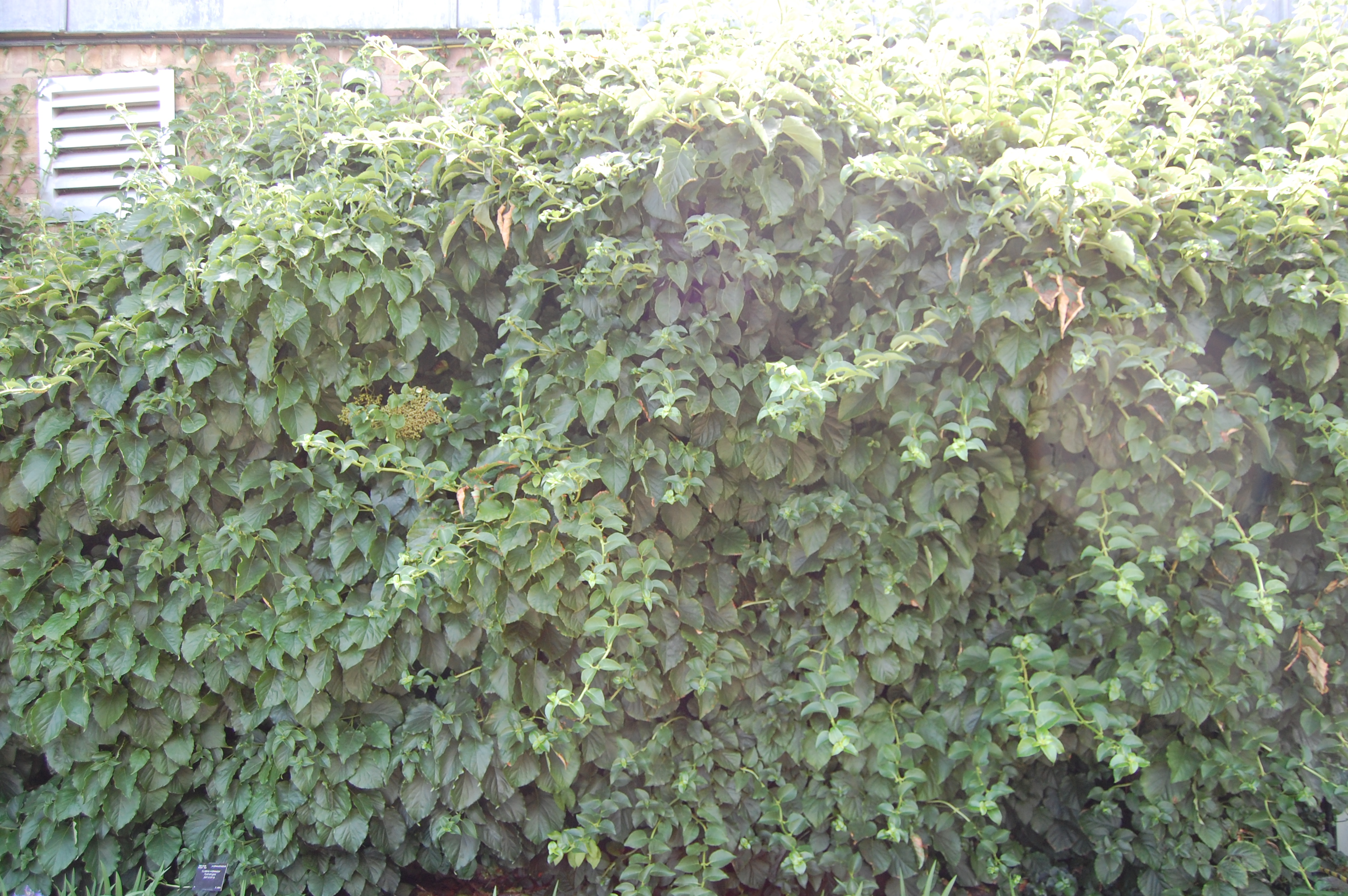
Hydrangea anomela subsp. petiolaris

Hydrangea anomela subsp. petiolaris

Hydrangea (/ha?'dre?nd?i?/;common names hydrangea or hortensia) is a genus of 70-75 varieties of flowering plant life local to southern and eastern Asia (China, Japan, Korea, the Himalayas, and Indonesia) and the Americas. Certainly the greatest kinds diversity is within eastern Asia, china notably, Japan, and Korea. The majority are shrubs 1 to 3 meters extra tall, but some are small trees and shrubs, as well as others lianas reaching up to 30 m (98 feet) by climbing up trees. They can be either deciduous or evergreen, though the greatly cultivated temperate kinds are all deciduous.Having been introduced to the Azores, H. macrophylla is quite typical now, particularly on Faial, which is recognized as the "blue island" because of the vast number of hydrangeas present on the island.Life cycleHydrangea blossoms are produced from early spring to late autumn; they increase in flowerheads (corymbs or panicles) most often at the ends of the stems.

Hydrangea anomela subsp. petiolaris

Usually the flowerheads contain two types of blooms: small non-showy flowers in the center or interior of the flowerhead, and large, showy flowers with large bright colored sepals (tepals). These showy flowers are often expanded in a band, or to the exterior of the small flowers. Vegetation in outdoors populations have few to nothing of the showy flowers typically, while cultivated hydrangeas have been selected and bred to have significantly more of the larger type flowers.There are two flower arrangements in hydrangeas with Corymb style inflorescens, which include the commonly grown "bigleaf hydrangea"--Hydrangea macrophylla. Mophead bouquets are large spherical flowerheads resembling pom-poms or, as the name suggests, the head of a mop. On the other hand, lacecap flowers bear round, flat flowerheads with a center core of subdued, small flowers surrounded by outer rings of larger flowers having showy sepals or tepals.

The blossoms of some viburnums and rhododendrons can appear, at first glance, comparable to those of some hydrangeas.Colors and land acidityIn most species the blooms are white, however in some types (notably H. macrophylla), can be blue, red, pink, light purple, or dark crimson. In these species the color is damaged by the presence of metal ions which are available or tied up depending after the dirt pH. For H. h and macrophylla. serrata cultivars, the flower color can be dependant on the relative acidity of the soil: an acidic soil (pH below 7), will supply aluminum ions and typically produce flowers that are blue to purple, whereas an alkaline soil (pH above 7) will tie up aluminum ions and cause pink or red flowers.

This is the effect of a color change of the bloom pigments in the existence of aluminium ions which can be taken up into hyperaccumulating crops.[6] Reducing the pH of potting soils or mixes usually does not change the flower color to blue, because these soils haven't any aluminum ions. The capability to blue or green a hydrangea is also influenced by the cultivar. Some plants are selected for their ability to be blued, while some are bred and selected to be red, pink or white. The flower color of all other Hydrangea species is not damaged by aluminum and can't be changed or shifted. Hydrangeas likewise have a nickname called 'Change Rose'.

Hydrangea petiolaris Solitary in full flower

Hydrangea petiolaris Solitary in full flower

hydrangea_petiolaris_resized.jpg

hydrangea_petiolaris_resized.jpg

amp; Climbing Plants gt; All Vine Plants gt; Climbing Hydrangea Petiol

 amp; Climbing Plants gt; All Vine Plants gt; Climbing Hydrangea Petiol

Hydrangea Petiolaris Lisa Cox Garden Designs Blog

Hydrangea Petiolaris  Lisa Cox Garden Designs Blog

Rabu, 22 Februari 2017

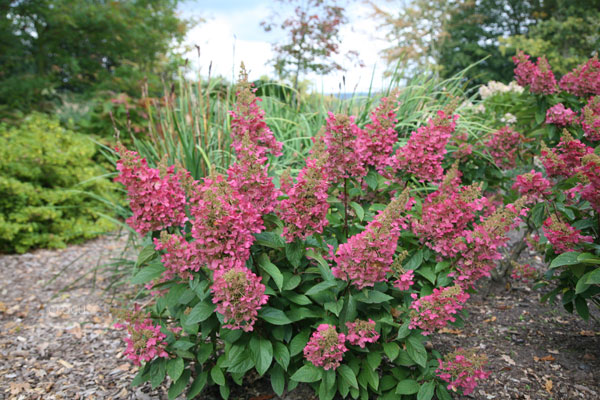
Quick Fire® Hardy Hydrangea Hydrangea paniculata Proven Winners

Quick Fire®  Hardy Hydrangea  Hydrangea paniculata  Proven Winners

Hydrangea (/ha?'dre?nd?i?/;common brands hydrangea or hortensia) is a genus of 70-75 types of flowering crops native to southern and eastern Asia (China, Japan, Korea, the Himalayas, and Indonesia) and the Americas. Probably the greatest types diversity is within eastern Asia, notably China, Japan, and Korea. The majority are shrubs 1 to 3 meters large, however, many are small trees, as well as others lianas getting up to 30 m (98 ft) by climbing up trees and shrubs. They can be either deciduous or evergreen, though the cultivated temperate species are deciduous widely.Having been introduced to the Azores, H. macrophylla is quite typical now, particularly on Faial, which is known as the "blue island" because of the multitude of hydrangeas present on the island.Life cycleHydrangea blossoms are created from early spring to late fall; they grow in flowerheads (corymbs or panicles) frequently at the ends of the stems.

Quick Fire®  Hardy Hydrangea  Hydrangea paniculata  Proven Winners

Typically the flowerheads contain two types of plants: small non-showy plants in the center or interior of the flowerhead, and large, showy blossoms with large brilliant sepals (tepals). These showy bouquets tend to be prolonged in a diamond ring, or to the exterior of the small flowers. Plants in outdoors populations have few to none of them of the showy blossoms typically, while cultivated hydrangeas have been decided on and bred to have more of the bigger type blooms.There are two flower arrangements in hydrangeas with Corymb style inflorescens, which includes the commonly grown "bigleaf hydrangea"--Hydrangea macrophylla. Mophead blossoms are large rounded flowerheads resembling pom-poms or, as the name means, the head of any mop. On the other hand, lacecap flowers bear round, flat flowerheads with a center core of subdued, small flowers surrounded by outer rings of larger flowers having showy sepals or tepals.

The blossoms of some viburnums and rhododendrons can seem, initially, a lot like those of some hydrangeas.Ground and colors acidityIn most types the flowers are white, however in some types (notably H. macrophylla), can be blue, red, green, light crimson, or dark purple. In these types the color is afflicted by the presence of lightweight aluminum ions which are available or tangled up depending upon the land pH. For H. h and macrophylla. serrata cultivars, the flower color can be determined by the relative acidity of the soil: an acidic soil (pH below 7), will have available aluminum ions and produce flowers that are blue to purple typically, whereas an alkaline soil (pH above 7) will tie up aluminum ions and lead to pink or red flowers.

This is caused by a color change of the blossom pigments in the occurrence of aluminium ions which is often taken up into hyperaccumulating plant life.[6] Minimizing the pH of potting soils or mixes usually does not change the bloom color to blue, because these soils have no aluminum ions. The ability to blue or pink a hydrangea is also influenced by the cultivar. Some plants are selected because of their ability to be blued, while some are bred and selected to be red, pink or white. The flower color of most other Hydrangea species is not damaged by aluminum and can't be changed or shifted. Hydrangeas likewise have a nickname called 'Change Rose'.

Proven Winners 3 Gal. Quick Fire Hydrangea ShrubH718G3 The Home

Proven Winners 3 Gal. Quick Fire Hydrangea ShrubH718G3  The Home

little quick fire hydrangea hydrangea paniculata smhplqf

little quick fire hydrangea hydrangea paniculata smhplqf

hydrangea paniculata bulk quick fire quick fire panicle hydrangea

hydrangea paniculata bulk quick fire quick fire panicle hydrangea

Quick Fire Hydrangea Related Keywords amp; Suggestions Quick Fire

Quick Fire Hydrangea Related Keywords amp; Suggestions  Quick Fire

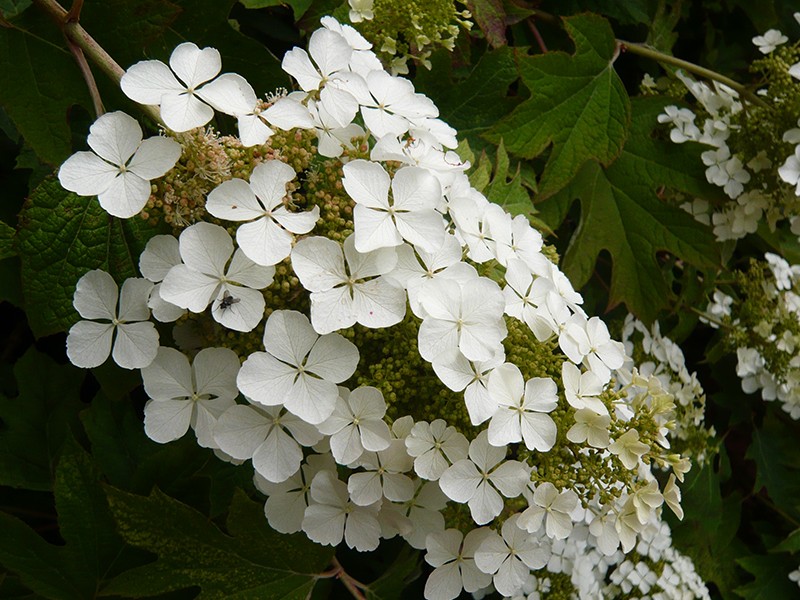
Hydrangea quercifolia 39;Snow Queen39;

Hydrangea quercifolia 39;Snow Queen39;

Hydrangea (/ha?'dre?nd?i?/;common labels hydrangea or hortensia) is a genus of 70-75 types of flowering plants native to southern and eastern Asia (China, Japan, Korea, the Himalayas, and Indonesia) and the Americas. Probably the greatest species diversity is at eastern Asia, notably China, Japan, and Korea. Most are shrubs 1 to 3 meters large, however, many are small trees, among others lianas getting up to 30 m (98 feet) by climbing up trees. They can be either evergreen or deciduous, though the cultivated temperate varieties are all deciduous extensively.Having been introduced to the Azores, H. macrophylla is quite typical now, on Faial particularly, which is known as the "blue island" due to the multitude of hydrangeas present on the island.Life cycleHydrangea blooms are created from early spring to late autumn; they expand in flowerheads (corymbs or panicles) most often at the ends of the stems.

Hydrangea quercifolia 39;Snow Queen39;

Usually the flowerheads contain two types of bouquets: small non-showy plants in the guts or interior of the flowerhead, and large, showy flowers with large colourful sepals (tepals). These showy bouquets are prolonged in a ring often, or to the surface of the small flowers. Crops in crazy populations have few to none of them of the showy blooms typically, while cultivated hydrangeas have been determined and bred to have more of the bigger type blooms.There are two flower arrangements in hydrangeas with Corymb style inflorescens, which includes the commonly grown "bigleaf hydrangea"--Hydrangea macrophylla. Mophead blooms are large rounded flowerheads resembling pom-poms or, as the name suggests, the comparative head of a mop. In contrast, lacecap flowers bear round, flat flowerheads with a center core of subdued, small bouquets bounded by outer jewelry of greater plants having showy tepals or sepals.

The plants of some viburnums and rhododendrons can show up, at first glance, a lot like those of some hydrangeas.Colors and garden soil acidityIn most varieties the plants are white, but in some species (notably H. macrophylla), can be blue, red, pink, light crimson, or dark purple. In these kinds the color is influenced by the presence of metal ions which can be found or tied up depending upon the ground pH. For H. h and macrophylla. serrata cultivars, the flower color can be determined by the relative acidity of the soil: an acidic soil (pH below 7), will supply aluminum ions and produce flowers that are blue to purple typically, whereas an alkaline soil (pH above 7) will tie up aluminum ions and result in pink or red flowers.

This is the effect of a color change of the bloom pigments in the occurrence of aluminium ions that can be taken up into hyperaccumulating vegetation.[6] Bringing down the pH of potting soils or mixes usually will not change the blossom color to blue, because these soils haven't any aluminum ions. The capability to blue or pink a hydrangea is influenced by the cultivar also. Some plants are selected for his or her ability to be blued, while some are bred and selected to be red, white or pink. The flower color of most other Hydrangea species is not affected by aluminum and can't be changed or shifted. Hydrangeas likewise have a nickname called 'Change Rose'.

Hydrangea quercifolia 39;Snow Queen39; Beautiful hydrangeas Pinterest

Hydrangea quercifolia 39;Snow Queen39;  Beautiful hydrangeas  Pinterest

Hydrangea quercifolia 39;Snow Queen39; quercifolia Hydrangeas Plants

Hydrangea quercifolia 39;Snow Queen39;  quercifolia  Hydrangeas  Plants

Hydrangea quercifolia ‘Snow Queen’

Hydrangea quercifolia ‘Snow Queen’

Hydrangea quercifolia Snow Queen at Digging Dog Nursery

Hydrangea quercifolia Snow Queen at Digging Dog Nursery